



Silicone Scar Tape
Why Choose Us
Professional team
We have a team of skilled and experienced professionals who are well-versed in the latest technology and industry standards. Our team is dedicated to ensuring that our customers get the best service and support possible.
Customer Service
We are always committed to providing customers with the best quality products and services, and customer satisfaction is our ultimate goal.Our team has over 20 years export experience, we have good patience and enthusiasm to serve every customer.
High quality products
We always put customer needs and expectations in the first place, refine on, continuous improvement, to seek every opportunity to do better, to provide customers with their expectations of quality products, to provide customers with the most satisfactory service at anytime.
Competitive prices
We offer our products at competitive prices, making them affordable for our customers. We believe that high-quality products should not come at a premium, and we strive to make our products accessible to all.
Quality assurance
In terms of quality assurance, the company strictly follows the standards and norms of the industry quality system. Adopt industry-leading testing equipment to ensure product quality and good reputation.
Rich experience
Has a long-standing reputation in the industry, which makes it stand out from its competitors. With over many years of experience, they have developed the skills necessary to meet their clients' needs.
What is Silicone Scar Tape
Silicone scar tape is a type of medical dressing made from silicone gel, which is known for its ability to create a protective barrier on the skin's surface. This barrier helps to hydrate the scar tissue, which can lead to a reduction in the visibility and texture of the scar. The mechanism behind silicone's effectiveness in scar management is thought to involve several factors, including occlusion, hydration, and collagen regulation.


Advantages of Silicone Scar Tape

Effective Scar Management
Silicone scar tape is highly effective in managing and improving the appearance of scars. It is designed to create a favorable healing environment for scars, promoting proper collagen synthesis and reducing excessive scar tissue formation. Silicone scar tape helps to flatten and soften scars, as well as reduce redness, discoloration, and itching. It is particularly beneficial for hypertrophic scars and keloids.

Breathable and Hypoallergenic
Silicone scar tape is breathable, allowing air to circulate through the tape and the skin. This helps to prevent moisture buildup and allows the skin to breathe, reducing the risk of skin irritation or maceration. Additionally, silicone scar tape is hypoallergenic, meaning it is less likely to cause allergic reactions or skin sensitivities. It is suitable for individuals with sensitive or delicate skin.

Easy to Use
Silicone scar tape is easy to use and apply. It typically comes in pre-cut strips or sheets that can be easily trimmed to fit the size and shape of the scar. The tape has a self-adhesive backing that sticks securely to the skin without causing discomfort or irritation. Silicone scar tape can be applied and worn for extended periods, allowing for continuous scar management.

Comfortable and Flexible
Silicone scar tape is designed to be comfortable and flexible, allowing for a natural range of motion. The tape is made from a soft and pliable silicone material that conforms to the contours of the body and the scar. This flexibility ensures that the tape stays in place and provides optimal contact with the scar, maximizing its effectiveness.

Long-Lasting and Durable
Silicone scar tape is long-lasting and durable, making it suitable for prolonged use. The tape is designed to be reusable, allowing it to be worn for several days or even weeks before needing to be replaced. Silicone scar tape maintains its adhesive properties even after multiple uses, ensuring that it stays in place and provides continuous scar management.

Waterproof
Silicone scar tape is waterproof, meaning it can be worn during activities involving water or moisture. It is resistant to water, sweat, and other liquids, allowing for uninterrupted scar management. The waterproof nature of silicone scar tape ensures that it stays in place and remains effective even in wet conditions.
Types of Silicone Scar Tape



Standard Silicone Scar Tape
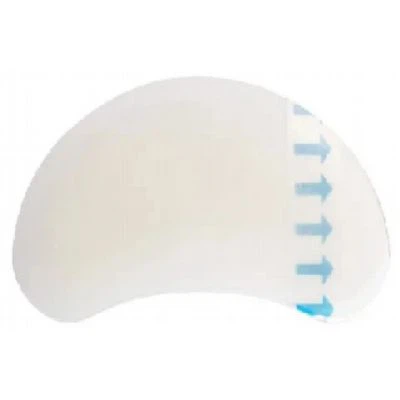
Standard silicone scar tape is the most commonly used type. It is made from a thin, flexible material coated with a layer of silicone adhesive. This tape is breathable, hypoallergenic, and provides gentle adhesion to the skin. It is suitable for most scars and wounds, including surgical scars, burns, and cuts.
Extended Wear Silicone Tape
Extended wear silicone tape is designed to stay on the skin for longer periods, up to several days or even weeks. This type of tape is typically thicker and more durable, with a stronger adhesive that can withstand repeated water exposure and daily activities. It is ideal for patients who need constant scar support and protection, such as those with burns or chronic wounds.
Silicone Gel Tape
Silicone gel tape is a unique type of scar tape that combines the benefits of silicone with the added comfort of a gel layer. The gel provides a cooling and soothing effect to the skin, while the silicone adhesive promotes scar improvement. This tape is often used for sensitive areas or scars that require extra care and hydration.
Custom-Cut Silicone Tape
Custom-cut silicone tape allows patients to get a perfect fit for their scars or wounds. This type of tape is cut to specific sizes and shapes, either by a healthcare provider or the patient themselves, using a template or tracing paper. Custom-cut tape ensures a secure and comfortable fit, without the need for additional trimming or cutting.
Waterproof Silicone Tape
Waterproof silicone tape is designed to withstand exposure to water and other liquids, making it ideal for use in swimming, showering, or other aquatic activities. This tape adheres securely to the skin, even under wet conditions, providing continuous protection and support to scars.
Are Silicone Scar Patches Suitable for All Skin Types

Silicone scar patches are generally considered suitable for most skin types, but individual reactions may vary. Although silicone is generally well tolerated by the skin, some people may still experience sensitivity or allergic reactions. Silicone is a commonly used material in scar treatment and is known for being gentle and hypoallergenic. It's designed to be non-irritating and help hydrate and protect skin. However, everyone’s skin is unique, and some people may have more sensitive skin or be more prone to allergic reactions. If you have sensitive skin or a history of allergies, you should be especially cautious when using any new products, including silicone scar tape.
Before applying the tape, it's a good idea to do a patch test on a small area of skin in an invisible or less sensitive area. Leave the tape on for a few hours or as directed and watch for any signs of redness, itching, swelling, or other irritation. If you experience any adverse reactions, it is best to discontinue use and consult a dermatologist or healthcare provider. In addition to skin sensitivity, other factors can affect whether silicone scar patches are suitable for your skin type. For example, if your skin is oily or acne-prone, you may want to pay attention to how the tape interacts with your skin and whether it causes any breakouts or clogged pores. Some people with dry skin may find that the tape doesn't stick very well, or may need to use a moisturizing lotion before applying the tape. When using silicone scar tape, it is also important to follow the instructions provided by the manufacturer. This may include appropriate cleansing and preparation of the skin before use, as well as the duration of use and any specific precautions.
If you are concerned about whether silicone scar patches are suitable for your skin type, it is recommended to consult a dermatologist or professional. Scar Management Professional. They can assess your individual situation, including the nature of the scar, skin type and any underlying conditions, to provide personalized advice and advice. Remember, taking care of your skin is crucial, especially when dealing with scars. In addition to using silicone scar patches, maintaining healthy skin care habits, such as keeping the area clean, using gentle products, and protecting the skin from the sun, can also help with overall scar management and improvement. I hope this information is helpful. If you have any additional questions or need more specific guidance, please feel free to contact a dermatologist or scar management specialist. They will be able to provide you with the most accurate and tailored advice for your skin type and scar concerns.
Are There Any Specific Precautions I Should Take When Using Silicone Scar Tape
01
Read the Instructions Carefully
Always read the instructions provided by the manufacturer or healthcare provider before using silicone scar tape. Familiarize yourself with the correct application method, including the recommended duration of use and how to properly remove the tape.
02
Clean and Dry Skin
Ensure that the skin is clean and dry before applying the silicone scar tape. Use a gentle cleanser and avoid using harsh chemicals or soaps that may irritate the skin. Allow the skin to dry completely before applying the tape.
03
Apply Gently and Securely
Apply the silicone scar tape gently, avoiding stretching or tugging on the skin. Ensure that the tape is applied securely, without any wrinkles or bubbles. Press firmly around the edges to ensure good adhesion.

Monitor Skin Condition
Keep a close eye on the skin under the tape. If any irritation, redness, or discomfort occurs, remove the tape immediately and consult a healthcare provider. Avoid using the tape if the skin is inflamed, infected, or damaged.
05
Avoid Overuse
Do not use silicone scar tape for longer than the recommended duration. Overuse can lead to skin irritation and may not provide any additional benefits. Follow the instructions provided by the manufacturer or healthcare provider regarding the appropriate duration of use.
06
Remove Carefully
When removing silicone scar tape, do so carefully to avoid tearing the skin. Gently peel the tape off in the direction opposite to hair growth to minimize discomfort. If the tape is difficult to remove, use a warm, damp cloth to loosen the adhesive.
07
Store Correctly
Store silicone scar tape in a cool, dry place, away from direct sunlight. Ensure that the packaging is sealed tightly to prevent exposure to moisture or dust. Do not use expired or damaged tape.
08
How Do Silicone Scar Patches Work
The primary mode of action is occlusion, which refers to the creation of a barrier that covers the scar. This barrier prevents excessive evaporation of moisture from the skin’s surface, thereby increasing the hydration of the stratum corneum, the outermost layer of the skin. The increased hydration leads to a softening of the scar tissue.A moist environment has been shown to be beneficial for the management of scars, as it encourages the remodeling of collagen and elastin fibers within the scar tissue. These fibers become more organized and aligned, leading to a reduction in the thickness and height of the scar.
Silicone has been found to influence the balance between collagen synthesis and degradation. By decreasing the rate of collagen synthesis and promoting its breakdown, silicone helps to prevent the excessive accumulation of collagen that often results in raised, hypertrophic scars.The occlusive nature of silicone scar tape also contributes to maintaining an optimal temperature over the scarred area. This thermoregulatory effect might enhance blood flow and nutrient delivery to the area, supporting the natural healing process and collagen remodeling.
The tape serves to protect the scar from environmental stressors, such as UV radiation and abrasive contact, which can exacerbate scar appearance. By shielding the scar, the tape helps prevent hyperpigmentation and additional damage to the delicate healing tissue.Some forms of silicone scar tape may exert a mild compressive force on the scar. This compression can help to flatten elevated scars and reduce their overall size, contributing to a smoother skin surface.Over time, with consistent use, silicone scar tape can lead to cosmetic improvements in the scar's appearance, making it less noticeable. The scar becomes flatter, more uniform in color, and blends better with the surrounding skin.

Can I Reuse the Tape After Removing It
Hygiene and skin health
Silicone scar tape is designed to be a disposable product. When applied to the skin, it removes dead skin cells, sweat, oil and potential bacteria from the skin's surface. Reusing tape that has been in contact with skin may introduce these substances back onto the skin when reused. This can lead to skin irritation, allergic reactions, and even infection, especially when the tape is used on surgical sites or wounds that have not fully healed.
The sticky side of the tape will lose its stickiness over time, especially after removal and handling. Damaged adhesive may not provide the necessary sealing effect that is critical to the tape's therapeutic benefits. Without proper occlusion, scars may not receive optimal hydration levels, resulting in less effective control of scar appearance.
Efficacy and consistency
The effectiveness of silicone scar patches depends on consistent and continued use. For best results, the tape should be worn 24 hours a day for several weeks or months, depending on the severity of the scar. Using new tape each time ensures that the scar is always covered and the treatment regimen is not interrupted.
Reusing tape may destroy this consistency. As tape ages or is exposed to air and light, its properties may change, affecting its ability to achieve the desired therapeutic effect. Even small changes in coverage or adhesion can affect the overall effectiveness of the treatment.
Cost and convenience
While the initial cost of purchasing multiple strips of tape may seem higher than reusing a single strip, investing in new tape each time can be viewed as a way to ensure the best results. The convenience of always having a fresh piece of tape that sticks well and provides consistent coverage is also beneficial, as it reduces the need to constantly adjust or replace during the day.
How Should I Store Silicone Scar Tape When Not in Use

1. Avoid direct sunlight
Silicone degrades when exposed to direct sunlight for extended periods of time. Store scar tape out of direct sunlight. Drawers, cabinets or closets away from windows are ideal.
2. Store in a cool, dry place
High temperature and humidity can affect the quality of silicone bands. It is important to store the tape in a cool environment to prevent any changes in its stickiness and flexibility. Avoid storing it in the bathroom or near heat sources such as radiators or stoves.
3. Proper sealing
If you use a roll of silicone tape, be sure to reseal it after each use. Most rolls come with a plastic seal or cap; use this to protect the adhesive surface. If the original packaging is lost, consider transferring the roll to a self-sealing plastic bag or container to minimize exposure to air and moisture.
4. Avoid extreme temperatures
Extremely high and low temperatures can compromise the integrity of the silicone band. Extreme cold can make the tape brittle, while extreme heat can cause the tape to stick together or become too soft. Store the tape at room temperature, preferably between 18°C (64°F) and 22°C (72°F).
5. Use original packaging
Whenever possible, store tape in its original packaging. Manufacturers design packaging to protect products from environmental factors. If you must transfer the tape to another container, choose a container that is airtight and opaque to protect it from light.
6. Stay away from children
Store the tape out of the reach of children to prevent accidental ingestion or improper use. If the sticky side of the tape gets stuck in the mouth or on sensitive areas of the body, it can cause harm.
7. Check expiry date
Although silicone tapes tend to have a long shelf life, it's still a good practice to check the expiration date before use. If the tape has expired, it is recommended to replace it with a new one.
8. Minimize handling
The less you have to handle the tape, the better. Every time you touch the adhesive surface, you risk depositing oils and dirt from your fingers onto the tape, affecting its performance. Always hold the tape by its edges or non-sticky side.
9. Consider quantity and frequency of use
If you use silicone scar patches regularly, consider purchasing smaller amounts of product more frequently rather than stocking up on larger quantities. This ensures that you are always using the latest tapes.
10. Store separately from other supplies
Store silicone scar tape separately from other medical supplies, especially those with strong odors or chemicals that may release gas and affect the silicone.

How Often Should I Replace the Silicone Scar Tape

Manufacturer's recommendations
Different brands of silicone scar tape may have their own recommendations on replacement intervals. Refer to the instructions or product information that came with the tape for specific guidance.
Scar healing progress
Observe the progress of your scar. If the scar appears to be improving and the tape is still adhering well, you may not need to replace it as frequently. However, if you notice any changes in the scar's appearance or the tape is no longer effective, it might be time for a replacement.
Adhesive properties
The adhesive on the tape can lose its effectiveness over time. If you find that the tape is not sticking as well or starts to peel off easily, it may be a sign that it needs to be replaced.
Skin sensitivity or irritation
If you experience any skin reactions, such as redness, itching, or discomfort, it could be an indication that your skin is having a sensitivity to the tape. In this case, replacing it with a fresh one or considering alternative scar management options might be necessary.
Exposure to elements
If the tape is exposed to sweat, water, or other substances frequently, it may wear out faster. In such cases, you might need to replace it more often to maintain its effectiveness.
How Do I Clean and Maintain the Silicone Scar Tape
Before applying silicone scar tape, make sure the skin is clean and dry. Gently wash the area with mild soap and water, then pat it dry with a clean towel. Avoid using any creams, lotions, or oils on the skin as they may interfere with the adhesive properties of the tape.Carefully apply the silicone scar tape to the clean and dry skin, ensuring that it covers the entire scar or affected area. Smooth out any wrinkles or air bubbles to ensure proper adhesion.Follow the instructions provided by the manufacturer or healthcare professional regarding the duration and frequency of wearing the silicone scar tape. Some tapes can be worn continuously, while others may need to be removed and reapplied periodically.
Depending on the instructions, you may need to remove the silicone scar tape for cleaning. Gently peel off the tape from one end, pulling it parallel to the skin to minimize discomfort. If the tape is difficult to remove, you can use a small amount of warm water or silicone tape remover to help loosen the adhesive.Once the tape is removed, clean it using mild soap and warm water. Gently rub the tape with your fingers to remove any dirt, oils, or debris. Avoid using harsh chemicals, alcohol, or abrasive materials as they may damage the tape.After cleaning, rinse the tape thoroughly with clean water to remove any soap residue. Pat the tape dry with a clean towel or allow it to air dry completely before reapplying.
When not in use, store the silicone scar tape in a clean and dry container or pouch. Avoid exposing the tape to excessive heat, moisture, or direct sunlight, as these can affect its adhesive properties.Over time, the adhesive properties of silicone scar tape may diminish. If the tape no longer adheres properly or loses its effectiveness, it is time to replace it with a new piece.It is important to follow the recommendations and guidance provided by your healthcare professional regarding the cleaning and maintenance of silicone scar tape. They may have specific instructions based on your individual needs and the type of scar you are treating.
Our Factory





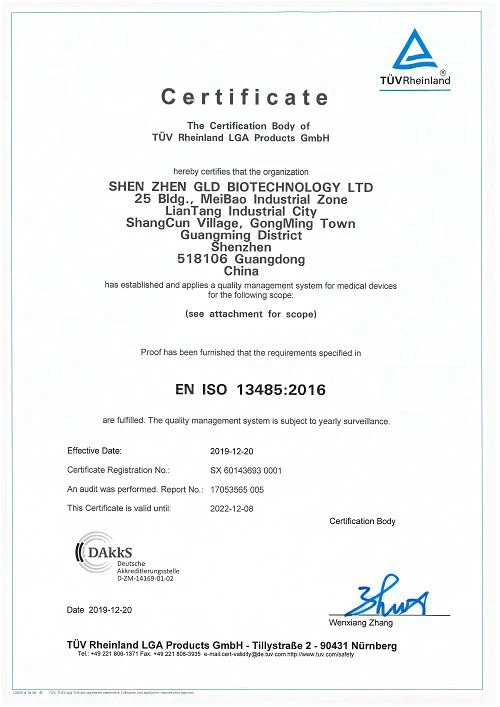
Certifications




FAQ
Q: What is silicone scar tape?
Q: How does silicone scar tape work?
Q: What types of scars can silicone scar tape be used for?
Q: Is silicone scar tape suitable for all skin types?
Q: How long does it take to see results with silicone scar tape?
Q: Can I cut the tape to fit my scar?
Q: How often should I apply the tape?
Q: Can I shower with the tape on?
Q: How do I remove the tape without causing irritation?
Q: Can I use silicone scar tape on fresh scars?
Q: Can I reuse the tape after removing it?
Q: Can I use silicone scar tape with other scar treatment products?
Q: Is silicone scar tape safe to use during pregnancy?
Q: Can children use silicone scar tape?
Q: Can silicone scar tape be used on facial scars?
Q: Can I swim with silicone scar tape on?
Q: How long should I continue using silicone scar tape after seeing results?
Q: Can silicone scar tape cause allergic reactions?
Q: Can I apply makeup over silicone scar tape?
Q: Is it okay to sleep with silicone scar tape on?
We're well-known as one of the leading silicone scar tape manufacturers and suppliers in China. Please rest assured to wholesale high quality silicone scar tape at competitive price from our factory. For custom service, contact us now.
otc silicone gel sheets, Silicone Scar Tape, silicone scar strip