



Micropore Tape
Why Choose Us
Professional team
We have a team of skilled and experienced professionals who are well-versed in the latest technology and industry standards. Our team is dedicated to ensuring that our customers get the best service and support possible.
Customer Service
We are always committed to providing customers with the best quality products and services, and customer satisfaction is our ultimate goal.Our team has over 20 years export experience, we have good patience and enthusiasm to serve every customer.
High quality products
We always put customer needs and expectations in the first place, refine on, continuous improvement, to seek every opportunity to do better, to provide customers with their expectations of quality products, to provide customers with the most satisfactory service at anytime.
Competitive prices
We offer our products at competitive prices, making them affordable for our customers. We believe that high-quality products should not come at a premium, and we strive to make our products accessible to all.
Quality assurance
In terms of quality assurance, the company strictly follows the standards and norms of the industry quality system. Adopt industry-leading testing equipment to ensure product quality and good reputation.
Rich experience
Has a long-standing reputation in the industry, which makes it stand out from its competitors. With over many years of experience, they have developed the skills necessary to meet their clients' needs.
What is Micropore Tape
Microporous tape is a type of medical tape commonly used in healthcare settings to secure dressings, tubes, and other medical devices to the skin. It is known for its gentle adhesive properties and breathability, allowing air to pass through while still providing a strong hold.

Advantages of Micropore Tape

Gentle on the Skin
Micropore tape is designed to be gentle on the skin, making it suitable for individuals with sensitive or delicate skin. The tape is made from a soft and breathable material that minimizes the risk of skin irritation or discomfort. It adheres securely to the skin without causing excessive pulling or tugging, allowing for comfortable and pain-free removal.
Breathable and Hypoallergenic
Micropore tape is breathable, allowing air to circulate through the tape and the skin. This helps to prevent moisture buildup and allows the skin to breathe, reducing the risk of skin irritation or maceration. Additionally, micropore tape is hypoallergenic, meaning it is less likely to cause allergic reactions or skin sensitivities.


Versatile and Flexible
Micropore tape is highly versatile and can be used for a wide range of applications. It can be used to secure dressings, bandages, or medical devices in place, providing a secure and reliable hold. The tape is also flexible, allowing it to conform to the contours of the body and provide a comfortable fit.
Easy to Apply and Remove
Micropore tape is easy to apply and remove, making it convenient for both healthcare professionals and patients. The tape has a gentle adhesive that sticks securely to the skin without causing discomfort during application. When it is time to remove the tape, it can be easily peeled off without causing pain or skin damage.


Minimal Residue
Micropore tape leaves minimal residue on the skin after removal. This is particularly beneficial for individuals with sensitive or fragile skin, as it reduces the need for excessive cleaning or scrubbing to remove any leftover adhesive. The minimal residue also makes it easier to apply new dressings or tapes without interference.
Secure and Reliable
Micropore tape provides a secure and reliable hold, ensuring that dressings or medical devices stay in place. The tape has a strong adhesive that adheres well to the skin, even in areas prone to movement or moisture. This helps to prevent dressings from shifting or falling off, reducing the risk of contamination or infection.
Transparent and Discreet
Micropore tape is available in a transparent or flesh-colored option, making it discreet when applied to the skin. This is especially useful for individuals who prefer a more inconspicuous appearance or need to wear the tape in visible areas. The transparent nature of the tape also allows for easy monitoring of the underlying wound or skin condition.
Cost-Effective
Micropore tape is generally more affordable compared to other types of medical tapes or dressings. This makes it a cost-effective option for healthcare facilities, as well as for individuals who require frequent or long-term use of tape. The affordability of micropore tape allows for more accessible wound care and medical treatment options.
Types of Micropore Tape


Standard Micropore Tape
Standard micropore tape is the most common type of micropore tape available. It is typically made from a soft and breathable material, such as paper or non-woven fabric. Standard micropore tape is hypoallergenic and gentle on the skin, making it suitable for individuals with sensitive or delicate skin. It is often used to secure dressings, bandages, or medical devices in place.
Surgical Micropore Tape
Surgical micropore tape is a type of micropore tape that is specifically designed for surgical applications. It is made from a high-quality material that is sterile and hypoallergenic. Surgical micropore tape is often used to secure surgical dressings, incision sites, or wound closures. It provides a secure and reliable hold, ensuring that the surgical site remains protected and clean.
Waterproof Micropore Tape
Waterproof micropore tape is a type of micropore tape that is designed to be resistant to water and moisture. It is often made from a material that repels water, such as plastic or silicone. Waterproof micropore tape is commonly used in water-based activities or in areas where there is a high risk of moisture exposure. It provides a secure hold even in wet conditions, ensuring that dressings or medical devices stay in place.
Transparent Micropore Tape
Transparent micropore tape is a type of micropore tape that is transparent or flesh-colored. It is often made from a clear or translucent material, such as polyethylene or polyurethane. Transparent micropore tape is discreet when applied to the skin, making it suitable for individuals who prefer a more inconspicuous appearance or need to wear the tape in visible areas. It allows for easy monitoring of the underlying wound or skin condition.
Pre-Cut Micropore Tape
Pre-cut micropore tape is a type of micropore tape that comes in pre-cut strips or shapes. It is often available in various sizes and lengths, making it convenient for quick and easy application. Pre-cut micropore tape is commonly used in first aid kits or for on-the-go use. It eliminates the need for cutting or tearing the tape, saving time and effort.
Hypoallergenic Micropore Tape
Hypoallergenic micropore tape is a type of micropore tape that is specifically formulated to be hypoallergenic. It is made from materials that are less likely to cause allergic reactions or skin sensitivities. Hypoallergenic micropore tape is suitable for individuals with sensitive or allergy-prone skin, ensuring that they can use the tape without experiencing any adverse reactions.
What Are the Common Materials Used in the Manufacturing of Micropore Tape
Micropore tape is a pressure-sensitive adhesive tape with a paper backing and a low-tack adhesive. It is commonly used in medical and industrial applications. The paper backing of micropore tape is often made from a cellulose-based material, such as paper or paperboard. This backing provides the tape with strength and rigidity, making it easy to handle and apply. The low-tack adhesive on the surface of the tape is usually made from a synthetic rubber or resin-based material. This adhesive is designed to have a low adhesion level, which allows it to be easily removed from surfaces without leaving a residue. The adhesive is formulated to have good adhesion properties on a variety of different surfaces, including skin, plastic, and metal. Some versions of micropore tape may also include additional layers or coatings on the backing or adhesive to enhance their performance characteristics. For example, some tapes may have a breathable backing to allow air to circulate through the tape, which can be beneficial in medical applications. some tapes may have a antimicrobial coating to prevent the growth of bacteria and fungi.
Can Micropore Tape Be Used in Both Indoor and Outdoor Applications
Micropore tape is a type of pressure-sensitive adhesive tape with a paper backing and a low-tack adhesive. It is commonly used in medical and industrial applications. Micropore tape can be used in both indoor and outdoor applications, depending on its properties and the specific needs of the application.
In indoor applications, micropore tape is often used for medical procedures such as dressing wounds, holding medical devices in place, and securing bandages. It is also used in industrial applications such as holding components in place during assembly, masking parts during painting or sanding, and labeling or marking products.
In outdoor applications, micropore tape may not be as suitable as other types of tape due to its paper backing. Paper backing can be susceptible to moisture and may not hold up well in wet or humid conditions. However, some versions of micropore tape may have a moisture-resistant backing or coating to improve their performance in户外 applications.
Whether micropore tape can be used in indoor or outdoor applications depends on the specific properties of the tape and the needs of the application. If you need to use micropore tape in an outdoor application, it is recommended to choose a tape with a moisture-resistant backing or coating to ensure good performance and adhesion.

Process of Micropore Tape

Material Selection
The first step in the production of micropore tape is selecting the appropriate materials. Typically, the base material for micropore tape is a porous film, often made of polyethylene or polypropylene. This porous film is chosen for its breathability and ability to allow moisture and air to pass through while maintaining the tape's adhesive properties.
Coating Process
After selecting the base material, the next step is to apply an adhesive coating. This coating is typically a water-based adhesive, which is uniformly applied to one or both sides of the porous film using a coating machine. The coating process ensures that the tape has strong adhesive properties, allowing it to securely adhere to the skin or other surfaces.
Micropore Formation
The key feature of micropore tape is its microporous structure. This structure is created by using a specialized process that punches or lasers tiny holes through the porous film. These holes are typically smaller than 100 micrometers in diameter, allowing air and moisture to pass through while maintaining the tape's structural integrity and adhesive properties.
Curing and Drying
After the micropores are formed, the tape goes through a curing and drying process. This step is crucial to ensure that the adhesive coating is properly set and the tape is ready for use. The curing process involves exposing the tape to heat or UV light, depending on the type of adhesive used. This step helps to solidify the adhesive and improve its durability.
Cutting and Slitting
Once the tape has been cured and dried, it is then cut and slit into the desired width and length. This step involves using precision cutting equipment to create rolls or sheets of tape that are suitable for different applications.
Quality Control
Throughout the production process, quality control measures are essential to ensure that the micropore tape meets the required standards. This includes testing for adhesive strength, breathability, and durability. Any tapes that do not meet the specified standards are typically discarded or reworked.
Packaging and Sterilization
The final step in the production of micropore tape is packaging and sterilization. The tape is typically packaged in sterile, disposable packages to maintain its cleanliness and prevent contamination. Some micropore tapes may also undergo additional sterilization processes, such as ethylene oxide sterilization or gamma irradiation, to ensure they are safe for medical use.

Components of Micropore Tape
The primary component of Micropore tape is a thin sheet of microporous paper. This paper is specifically engineered to allow air and moisture to pass through it while still providing a stable surface for the adhesive. The pores in the paper are small enough to prevent liquid penetration while allowing gases to escape, which helps reduce the buildup of moisture under the tape, thereby minimizing the risk of skin irritation or maceration.
The adhesive used in Micropore tape is formulated to be hypoallergenic, reducing the likelihood of allergic reactions even in individuals with sensitive skin. Acrylic adhesives are known for their strong bonding properties and ability to stick well to a variety of surfaces, including human skin. They also tend to have lower skin sensitization rates compared to rubber-based adhesives. The adhesive is designed to be gentle enough to be used on delicate areas of the body without causing trauma upon removal. It also provides a secure hold that can withstand moderate movement without losing its grip.
Micropore tape comes with a release liner that protects the adhesive side until it is ready to be applied. This liner is usually made of silicone or a similar material that allows for easy handling and peeling off without leaving residue behind. The liner must be removed just before application to ensure that the adhesive sticks effectively to the desired location.
The edges of the tape are often rounded or beveled to facilitate smooth and gentle application. Sharp edges can cause discomfort or even damage the skin, especially when the tape needs to be secured over curves or angles. A beveled edge reduces the risk of edge lift and provides a more comfortable user experience.
While not functional components, the color and branding of the tape serve practical purposes. The color of the tape can sometimes indicate its size or thickness (for instance, different colors might denote different widths), and the branding provides information about the manufacturer and product specifications.
Can Micropore Tape Be Cut to Specific Sizes or Shapes
Use sharp scissors or a cutting tool that has been cleaned to prevent contamination. Sterilized instruments should be used if the application involves a sterile environment or an open wound. Ensure that the cut is straight and clean to avoid rough or jagged edges that could cause discomfort or injury to the patient. A steady hand and a pair of precision scissors can help achieve this.
Measure the area that requires taping to determine the appropriate size. It is generally advisable to measure twice and cut once to avoid wastage and ensure that the tape fits correctly. If the tape needs to conform to the shape of a limb or follow the contours of the body, it may be necessary to make multiple cuts to create tabs or flaps that can be folded or overlapped to provide a snug fit.
Leave a small margin around the intended area to allow for adjustments during application. Overcutting could result in insufficient coverage or the need to use additional pieces of tape, which may not adhere as well due to reduced surface area. Once cut, any unused portion of the tape should be discarded to maintain hygiene and prevent potential cross-contamination.
Can Micropore Tape Be Reused
After being removed from the skin, the adhesive of Micropore tape decreases. This reduction in adhesion means that the tape may not securely fasten objects as intended when reapplied, leading to potential movement or displacement of medical devices or dressings. The adhesive side of the tape can pick up bacteria, oils, dead skin cells, and other contaminants from the skin during removal. Reapplying this tape to another person or even to the same individual in a different location can introduce bacteria to new sites, increasing the risk of localized or systemic infection. The adhesive may leave residue on the skin upon removal, which can cause further irritation or even skin damage if the tape is reapplied. Additionally, the mechanical action of repeatedly applying and removing tape can lead to skin abrasions or tears. Repeated bending and stretching of the tape can weaken its structure, leading to tears or splits that could compromise its effectiveness and appearance.
How Should Micropore Tape Be Stored
01
Temperature and Humidity Control
Store Micropore tape in an environment with consistent temperature and low humidity levels, ideally between 15°C to 25°C (59°F to 77°F). Extreme temperatures can affect the adhesive properties, causing it to become either too sticky or too dry. High humidity can also compromise the adhesive strength.
02
Avoid Direct Sunlight
Keep the tape away from direct sunlight, as ultraviolet rays can degrade the adhesive over time. Store it in a shaded area or in a closed cabinet or drawer.
03
Protect from Dust and Particulates
Dust and debris can stick to the adhesive side of the tape, making it less effective. Store the tape in a clean, dust-free environment or in a sealed container.
Original Packaging
Keep the tape in its original packaging until ready to use. The packaging is designed to protect the tape from environmental factors and to maintain its sterility if it's a sterile product.
04
Separation
If storing multiple rolls, ensure that they do not stick together. Keep them separated by placing a piece of paper or plastic wrap between the rolls or using dividers within storage containers.
05
Accessibility
Store the tape in an easily accessible place where it can be retrieved quickly without disrupting the storage of other items. This minimizes the risk of damage to the tape during handling.
06
Organization
Label storage areas clearly and organize the tape by type and size to facilitate quick selection of the right tape for a given application.
07
Is There a Difference Between Micropore Tape and Surgical Tape

Pore size and breathability
Micropore tape is known for its small pores, which allow for better air circulation and breathability. This can be beneficial in preventing moisture build-up and reducing the risk of skin irritation. Surgical tape, on the other hand, may have a different pore size or may not have perforations at all, depending on the specific type.
Adhesive properties
Surgical tape often has a strong adhesive to ensure a secure hold during medical procedures. The adhesive on micropore tape can vary in strength, ranging from light to moderate.
Purpose and applications
Surgical tape is primarily designed for use in medical settings, such as for securing bandages, dressings, or surgical drapes. Micropore tape, however, can have broader applications, including in first aid, sports, or general household uses.
Material and durability
The materials used in surgical tape may be chosen to meet specific medical requirements, such as being hypoallergenic or sterile. Micropore tape can be made from various materials, and its durability can vary depending on the product.
Stretch and flexibility
Surgical tape may need to have some stretch and flexibility to accommodate movement and body contours. Micropore tape's stretchability and flexibility can also differ depending on the brand and type.
Removability
Surgical tape is often designed to be removed without causing excessive discomfort or damage to the skin. Micropore tape's removability can vary, but it is generally easier to remove than some other types of tape.
Sterility
In medical settings, surgical tape may need to be sterile to prevent infection. Not all micropore tape is sterile, so it's important to check if this is a requirement for your specific application.
Cost
The cost of surgical tape may be higher due to its specialized nature and medical-grade quality. Micropore tape is often more readily available and may be more cost-effective for non-medical uses.
Our Factory





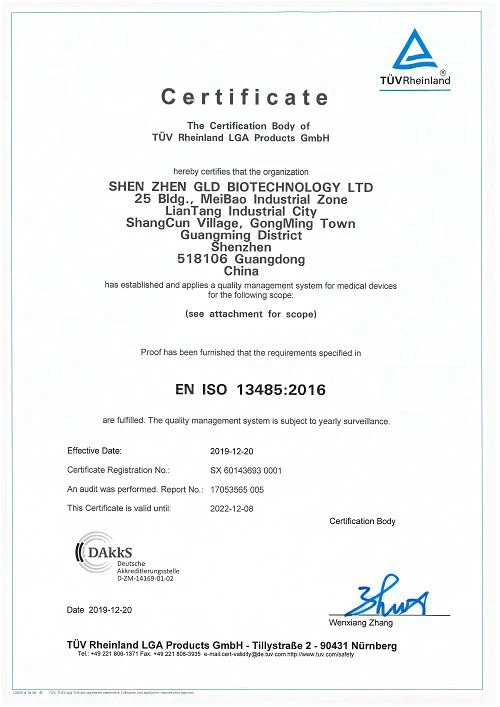
Certifications




FAQ
Q: Can Micropore tape be used in operating rooms or surgical settings?
Q: What is the difference between Micropore tape and other types of medical adhesive tapes?
Q: Can Micropore tape be used on the face or around the eyes?
Q: Can Micropore tape be reused?
Q: How should Micropore tape be stored?
Q: Can Micropore tape be used on patients with diabetes or poor circulation?
Q: Is there a risk of skin irritation or allergic reaction when using Micropore tape?
Q: Can Micropore tape be used for securing feeding tubes or drainage bags?
Q: Is there a difference between Micropore tape and surgical tape?
Q: Can Micropore tape be used on patients with implanted medical devices?
Q: Is there a specific brand or type of Micropore tape recommended for use in medical settings?
Q: What is Micropore tape made of, and what are its key features?
Q: How does the breathability of Micropore tape benefit patients?
Q: Is Micropore tape suitable for securing oxygen masks or nasal cannulae?
Q: Can Micropore tape be used on hairy areas of the body?
Q: How is Micropore tape removed, and will it cause pain or leave residue?
Q: Can Micropore tape be used on wounds?
Q: Can Micropore tape be cut to different sizes and shapes?
Q: What is the shelf life of Micropore tape?
Q: Can Micropore tape be used for securing electrical wires or cables?
We're well-known as one of the leading micropore tape manufacturers and suppliers in China. Please rest assured to wholesale high quality micropore tape at competitive price from our factory. For custom service, contact us now.
clear micropore tape, micropore skin tape, Micropore Tape