



Fever Patch
Why Choose Us
Professional team
We have a team of skilled and experienced professionals who are well-versed in the latest technology and industry standards. Our team is dedicated to ensuring that our customers get the best service and support possible.
Customer Service
We are always committed to providing customers with the best quality products and services, and customer satisfaction is our ultimate goal.Our team has over 20 years export experience, we have good patience and enthusiasm to serve every customer.
High quality products
We always put customer needs and expectations in the first place, refine on, continuous improvement, to seek every opportunity to do better, to provide customers with their expectations of quality products, to provide customers with the most satisfactory service at anytime.
Competitive prices
We offer our products at competitive prices, making them affordable for our customers. We believe that high-quality products should not come at a premium, and we strive to make our products accessible to all.
Quality assurance
In terms of quality assurance, the company strictly follows the standards and norms of the industry quality system. Adopt industry-leading testing equipment to ensure product quality and good reputation.
Rich experience
Has a long-standing reputation in the industry, which makes it stand out from its competitors. With over many years of experience, they have developed the skills necessary to meet their clients' needs.
What is Fever Patch
A fever patch, also known as a temperature monitoring patch, is a wearable device that adheres to the skin and continuously measures body temperature. These patches are commonly used for the early detection of fevers in young children or for monitoring temperature changes in patients who may have difficulty communicating their symptoms, such as infants or those with certain neurological conditions.


Advantages of Fever Patch

Continuous Monitoring
One of the primary benefits of fever patches is their ability to provide continuous monitoring of body temperature. Unlike traditional thermometers that require intermittent readings, fever patches offer real-time temperature data, allowing caregivers and healthcare professionals to track temperature trends and quickly identify any deviations from normal.
Non-Invasive and Comfortable
Fever patches are applied directly to the skin, providing a comfortable and non-invasive way to monitor temperature. Unlike rectal or oral thermometers, which can cause discomfort or distress, fever patches are gentle and do not cause any pain. This makes them particularly suitable for young children or patients who may be anxious about having their temperature taken.


Accurate and Reliable Data
Fever patches use advanced sensor technology to measure temperature accurately. The sensors are designed to detect even small changes in skin temperature, ensuring that any fever or temperature-related concerns are detected early. The reliability of this data is crucial for making informed decisions about patient care, especially in situations where rapid intervention may be necessary.
Portable and Convenient
Fever patches are small, lightweight, and portable, making them ideal for use in a variety of settings. Whether at home, in the hospital, or on the go, fever patches can be worn comfortably throughout the day and night, providing uninterrupted temperature monitoring. This convenience allows caregivers to keep a close eye on their loved ones' temperatures without causing any inconvenience or disruption to their daily lives.


Easy to Use
Fever patches are designed for simplicity and ease of use. They can be applied quickly and easily, without the need for specialized training or equipment. This makes them accessible to caregivers and healthcare professionals alike, reducing the burden on busy medical teams and allowing for more efficient patient care.
Reduced Cross-Infection Risk
Traditional thermometers that are shared between patients can pose a risk of cross-infection. Fever patches, on the other hand, are single-use and disposable, eliminating this risk. This is especially important in healthcare settings where infection control is paramount.

Types of Fever Patch
Disposable fever patches are single-use devices that are applied to the skin and provide continuous temperature monitoring for up to 24 hours. They are typically made of a flexible plastic material with an adhesive backing and contain a temperature sensor that measures skin temperature. Disposable fever patches are convenient and easy to use, making them ideal for short-term fever monitoring.
Reusable fever patches are designed for multiple uses and can be washed and reapplied to the skin. They typically contain a temperature sensor that measures skin temperature and a display screen that shows the current temperature reading. Reusable fever patches are more cost-effective than disposable ones and are suitable for long-term fever monitoring.
Bluetooth fever patches are equipped with wireless technology that allows them to transmit temperature data to a smartphone or other device. They typically contain a temperature sensor that measures skin temperature and a Bluetooth module that sends the data to a compatible app. Bluetooth fever patches are convenient for remote monitoring and can provide real-time temperature updates.
Waterproof fever patches are designed to be worn in the shower or bath, making them ideal for patients who need ongoing temperature surveillance but may have difficulty avoiding water exposure. They typically contain a temperature sensor that measures skin temperature and a waterproof adhesive backing that prevents the patch from coming off in water. Waterproof fever patches are convenient for patients who need continuous temperature monitoring but may have difficulty avoiding water exposure.
Pediatric fever patches are specifically designed for use in children. They typically contain a temperature sensor that measures skin temperature and a color-changing indicator that provides a visual alert when the child's temperature reaches a certain threshold. Pediatric fever patches are convenient for parents and caregivers who need to quickly and easily check a child's temperature without causing any discomfort.
Can a Fever Patch Be Used on All Ages

The use of a fever patch may vary depending on the specific product and brand. While fever patches are generally designed to be used on individuals of all ages, including infants and young children, it's important to follow the instructions provided by the manufacturer for the product you are using. Some fever patches may have age restrictions or specific indications for use based on factors such as the child's weight, age, or underlying medical conditions.When using a fever patch on infants or young children, it's important to follow the manufacturer's instructions carefully. Parents or caregivers should apply the patch to a clean and dry area of the child's body, avoiding areas with skin irritations or wounds. It's also important to ensure that the child is not allergic to the materials in the patch.If you have any concerns or questions about the use of a fever patch on a specific age group, it's recommended to consult a healthcare professional or contact the manufacturer for more information. They can provide specific guidance and ensure the safe and appropriate use of the fever patch based on the individual's circumstances.
What Are the Main Ingredients in a Fever Patch
Water is a common base ingredient in fever patches and helps dissolve other active ingredients. The adhesive is responsible for sticking the patch to the skin and keeping it in place. It is usually a pressure-sensitive adhesive that is gentle on the skin. The activator is the component that causes the patch to heat up when it comes into contact with air. The reagent is usually a metal powder, such as iron or copper, which reacts with oxygen in the air to produce heat. Conductive agent helps distribute heat evenly across the patch. It's usually a metal powder, such as silver or gold, that increases the patch's conductivity. The absorbent helps absorb moisture from the air and prevents the patch from becoming too wet. It is usually a highly absorbent clay or silica powder. Fillers are used to add bulk and volume to the patch, making it easier to handle. They are usually non-toxic, inert materials such as cellulose or talc. Packaging materials are used to protect the patch from moisture and contamination during storage and transportation. They may include plastic film, aluminum foil or paper.

How Does a Fever Patch Help Reduce Fever
● Heat Absorption
When the patch is applied to the skin, the heat from the body naturally transfers to the cooler hydrogel matrix. The hydrogel, being hygroscopic, absorbs this heat and becomes warmer.
● Evaporation Cooling
The hydrogel matrix contains a significant amount of water, which begins to evaporate once the patch is exposed to air. Evaporation is an endothermic process, meaning it requires energy (in this case, heat) to occur. As the water molecules transition from liquid to gas, they take some of the absorbed heat with them, effectively drawing heat away from the skin and reducing its temperature.
● Active Ingredients
Some fever patches also contain menthol or camphor, which are volatile organic compounds. When these substances come into contact with the skin, they begin to vaporize and produce a cooling sensation. This is due to the activation of cold-sensing TRPM8 receptors in the skin, which are responsible for detecting temperatures that are perceived as cool or cold.
● Local Cooling Effect
The overall result is a localized cooling effect at the site of application. This can provide comfort and may help to alleviate the discomfort associated with a fever. It's important to note that the patch does not actually lower the body's core temperature; rather, it provides temporary relief from the external symptoms of fever.
● Thermoregulation
The human body has its own mechanisms for regulating temperature, such as sweating and vasodilation (widening of blood vessels). The cooling effect of the fever patch may complement these natural processes, but it does not replace them.
● Continuous Action
As long as the patch remains on the skin and the environmental conditions permit evaporation, the cooling effect continues. The duration of this effect depends on the size of the patch, the amount of water it contains, the ambient temperature, and humidity levels.
● Comfort and Placebo Effect
Even though the reduction in fever is minimal or temporary, the physical sensation of coolness and the act of taking measures to alleviate symptoms can contribute to the patient's sense of well-being and comfort.
How Long Does a Fever Patch Last
● Patch design and ingredients
Different manufacturers design fever patches with different hydrogel and active cooling agent ingredients. The amount and concentration of these ingredients affects the duration of the cooling effect of the patch.
● Environmental conditions
Ambient temperature and humidity play an important role in determining the evaporation rate of water in the hydrogel matrix. In hotter or humid environments, evaporation will be slower, possibly prolonging the cooling effect of the patch. Conversely, in cooler and drier conditions, the patch may dry out and lose its cooling properties more quickly.
● Surface area
Generally, larger patches contain more hydrogel and active ingredients, making them last longer than smaller patches. However, this is not always the case if larger patches are used in more humid environments, as evaporation is less efficient.
● User's activity level
If the area where the patch is attached experiences increased blood flow due to activity or warmth, the cooling effect may be diminished as the body attempts to maintain its core temperature.
● Patch Application
Proper application is critical to maximizing the effectiveness of your patch. Ensuring good contact with the skin and avoiding wrinkles or bubbles will help maintain the cooling effect longer.
● Manufacturer's Guidelines
Each fever patch comes with specific manufacturer's guidelines for its use. Following these instructions, including recommended usage times, will ensure that the patch works as intended and does not lose its effectiveness prematurely.

What Is the Difference Between a Fever Patch and a Regular Pain Relief Patch

● Fever Patch
A Fever Patch, as the name suggests, is specifically designed to reduce fever. It typically contains fever-reducing agents like menthol or eucalyptus oil, which have a cooling effect on the skin and help bring down body temperature. These patches are often applied to the forehead, wrists, or other areas where the blood vessels are close to the skin surface, allowing for faster absorption of the active ingredients. The cooling sensation provided by the patch helps alleviate discomfort associated with fever and can be used as an adjunctive therapy along with oral medications.
● Regular Pain Relief Patch
A regular pain relief patch, on the other hand, is designed to provide relief from various types of pain, such as muscle pain, joint pain, or nerve pain. These patches often contain analgesics or numbing agents like capsaicin, lidocaine, or fentanyl, which work by blocking pain signals from reaching the brain. They are applied directly to the painful area, allowing for targeted pain relief. These patches are typically used for chronic pain conditions and may require a prescription due to their stronger active ingredients.
Can a Fever Patch Be Used in Conjunction with Other Fever-Reducing Medications

Consult a Healthcare Professional
Before using any fever-reducing method, especially in combination, it is advisable to consult a healthcare provider. This is particularly important for children, pregnant women, the elderly, and individuals with chronic health conditions or compromised immune systems.
Dosage Limits
Be mindful of the maximum recommended doses for any fever-reducing medications. Exceeding these limits can lead to serious side effects, including liver or kidney damage.

Medication Interactions
Although fever patches do not contain pharmacologically active ingredients that would directly interact with oral medications, it's still important to be aware of the potential for drug interactions. Always inform your healthcare provider about all medications, supplements, and treatments you are using or considering.
Symptom Monitoring
Use both methods cautiously and monitor for signs of improvement or worsening symptoms. If the fever does not subside or if there are any concerns, seek medical attention promptly.

Individual Response
Each person's response to fever-reducing treatments can vary. Some may find that using a fever patch along with medication provides better relief, while others may not notice a significant difference.
Duration of Treatment
Do not use fever-reducing treatments for extended periods without medical supervision. Fevers are often a sign of an underlying infection, and prolonged use of medications without addressing the root cause can be problematic.
How Should a Fever Patch Be Stored
Keep fever patches in a cool, dry place. Avoid storing them in direct sunlight or near heat sources like heaters, radiators, or stovetops. Extreme temperatures can damage the patches and affect their performance.Ensure that the storage area has low humidity to prevent moisture from affecting the patches. Moisture can cause the adhesive to lose its stickiness, making it difficult to apply the patches securely.Keep the storage area clean and dust-free. Dust and dirt can settle on the patches, potentially causing irritation or infection when applied to the skin.Ensure that the fever patches are stored in their original packaging or in airtight containers. This helps protect them from dust, moisture, and other contaminants.Keep the fever patches in a location where they are easily accessible in case of an emergency. This ensures that they can be quickly retrieved and used when needed.Never touch the adhesive side of the patches with dirty or damp hands. This can transfer contaminants to the patches, potentially causing skin irritation or infection.Check the expiration date on the packaging and use the patches before this date. Do not use expired patches as they may not be effective or safe.

Can a Fever Patch Be Reused
Reduced Efficacy
Once the patch has been used and the cooling agent has been activated, its ability to draw heat away from the skin diminishes significantly. Therefore, attempting to reapply the same patch would not effectively reduce fever or provide pain relief.
Skin Irritation
The adhesive on the patch can become less sticky over time, which may result in the patch peeling off easily. This could lead to skin irritation or even an allergic reaction upon reapplication. Moreover, the patch may also pick up dirt, bacteria, or other contaminants from the skin during its initial use, which could cause skin problems if the patch is reused.

Risk of Infection
Using a patch more than once could introduce germs or bacteria back onto the skin, increasing the risk of infection, especially if the patch has been in contact with unclean surfaces or has been improperly handled.
Manufacturer Warranty
Reusing a fever patch may void any warranty or guarantee provided by the manufacturer. This means that if the patch does not perform as intended or causes skin issues, you may not be able to claim a replacement or refund.
What Is the Primary Purpose of a Fever Patch
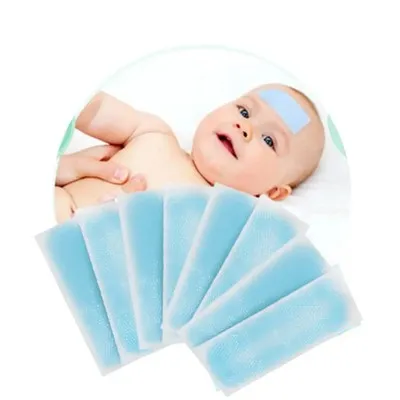
A fever patch, also known as a cooling patch or thermoregulatory patch, primarily serves the function of providing targeted cooling to the skin surface. Its design is based on the principle of evaporative cooling, where the patch contains a substance that, when exposed to air, evaporates and draws heat away from the skin. This process helps to lower the local skin temperature and can offer temporary relief from fever, heat rash, or mild discomfort associated with elevated body temperature.
The active ingredient in most fever patches is usually a hydrated gel that, upon application to the skin, begins to evaporate. The gel might consist of substances like propylene glycol or water, which are held within a porous material that allows for controlled release and evaporation. As the gel evaporates, it absorbs heat from the skin's surface, creating a cooling sensation and reducing the local skin temperature.
Fever patches are particularly useful for providing comfort to individuals who are experiencing a fever, especially children who may be sensitive to oral medications or prefer non-invasive treatments. They are also beneficial for those who cannot take certain medications due to medical conditions or contraindications.
Fever patches are convenient and easy to apply, making them accessible for home use without the need for medical intervention. However, it is important to remember that fever patches are not a cure for the underlying cause of the fever; they are simply a means of offering symptomatic relief. If a fever persists or rises to concerning levels, it is critical to seek medical advice to identify and treat the root cause of the fever.
The primary purpose of a fever patch is to offer a non-medicinal, topical solution for reducing fever and alleviating discomfort associated with high body temperature through the mechanism of evaporative cooling. While it provides temporary relief, it does not replace the need for medical evaluation to address the underlying reason for the fever.
Our Factory





Certifications




FAQ
Q: What is the primary purpose of a fever patch?
Q: How does the cooling effect of a fever patch work?
Q: Can a fever patch be used to diagnose a fever?
Q: Is it safe to use a fever patch on broken skin?
Q: How often should a fever patch be changed?
Q: Can a fever patch be reused?
Q: Can a fever patch be used with other fever-reducing medications?
Q: Is a fever patch suitable for all age groups?
Q: Can a fever patch cause skin irritation?
Q: How should a fever patch be stored?
Q: Can a fever patch be used on the chest or abdomen?
Q: Can a fever patch be used during pregnancy?
Q: Can a fever patch be used with an IV line?
Q: Can a fever patch be used on pets?
Q: Can a fever patch be used to treat a cold or flu?
Q: How long does a fever patch last?
Q: Can a fever patch cause dehydration?
Q: Can a fever patch be used with a pacemaker?
Q: Can a fever patch be used on the face?
Q: Can a fever patch be used to treat sunburn?
We're well-known as one of the leading fever patch manufacturers and suppliers in China. Please rest assured to wholesale high quality fever patch at competitive price from our factory. For custom service, contact us now.
medi strips reinforced wound closure, Wound Closure Strips, 2 x 3 bandages