



Pain Relief Patch
Why Choose Us
Professional team
We have a team of skilled and experienced professionals who are well-versed in the latest technology and industry standards. Our team is dedicated to ensuring that our customers get the best service and support possible.
Customer Service
We are always committed to providing customers with the best quality products and services, and customer satisfaction is our ultimate goal.Our team has over 20 years export experience, we have good patience and enthusiasm to serve every customer.
High quality products
We always put customer needs and expectations in the first place, refine on, continuous improvement, to seek every opportunity to do better, to provide customers with their expectations of quality products, to provide customers with the most satisfactory service at anytime.
Competitive prices
We offer our products at competitive prices, making them affordable for our customers. We believe that high-quality products should not come at a premium, and we strive to make our products accessible to all.
Quality assurance
In terms of quality assurance, the company strictly follows the standards and norms of the industry quality system. Adopt industry-leading testing equipment to ensure product quality and good reputation.
Rich experience
Has a long-standing reputation in the industry, which makes it stand out from its competitors. With over many years of experience, they have developed the skills necessary to meet their clients' needs.
What is Pain Relief Patch
A pain relief patch is a medicated adhesive patch that is applied to the skin to provide localized pain treatment. The active ingredients in these patches are designed to penetrate the skin and deliver medication directly to the area where pain is felt, reducing inflammation and alleviating discomfort. These patches can contain a variety of pain-relieving substances, including nonsteroidal anti-inflammatory drugs (NSAIDs), opioids, capsaicin, lidocaine, or other topical anesthetics.


Advantages of Pain Relief Patch

Targeted Pain Relief
Pain relief patches provide targeted relief to specific areas of the body. The patches are designed to adhere directly to the skin over the affected area, allowing the active ingredients to penetrate the skin and provide localized pain relief. This targeted approach helps to alleviate pain directly at the source, providing more effective and efficient relief compared to oral pain medications that may have a more generalized effect.
Improved Compliance
Pain relief patches can help improve compliance with pain management regimens. The patches provide a consistent and controlled dose of medication, eliminating the need for individuals to remember to take oral medications at specific times. This can be particularly beneficial for individuals with chronic pain conditions who may require ongoing pain relief throughout the day.


Long-Lasting Relief
Pain relief patches are formulated to provide long-lasting relief. The patches are typically designed to release the active ingredients gradually over an extended period of time, ensuring continuous pain relief for several hours or even days. This sustained release mechanism helps to maintain a consistent level of pain relief, reducing the need for frequent reapplication or dosing.
Versatility
Pain relief patches can be used for a wide range of pain conditions. They are available in different formulations and strengths to address various types of pain, including muscle aches, joint pain, back pain, and more. Some patches may also contain additional ingredients such as menthol or camphor, which provide a cooling or warming sensation to further alleviate pain and discomfort.


Convenience and Ease of Use
Pain relief patches are convenient and easy to use. They come in pre-cut sizes or customizable options that can be easily applied to the affected area. The patches have a self-adhesive backing that sticks securely to the skin, allowing for hands-free application and ensuring that the patch stays in place during movement. This convenience makes pain relief patches a practical option for individuals who may have difficulty swallowing pills or who prefer a non-oral method of pain relief.
Reduced Systemic Side Effects
Pain relief patches can help to minimize systemic side effects commonly associated with oral pain medications. When pain medications are taken orally, they are absorbed into the bloodstream and can affect the entire body, potentially causing side effects such as stomach upset, drowsiness, or dizziness. With pain relief patches, the active ingredients are delivered directly to the affected area, reducing the risk of systemic side effects and allowing for targeted relief without affecting the rest of the body.

Types of Pain Relief Patch
Lidocaine patches contain the local anesthetic lidocaine, which works by numbing the nerves in the area where the patch is applied. Lidocaine patches are commonly used for localized pain relief, such as muscle aches, joint pain, or post-surgical pain. They provide temporary relief by blocking pain signals from reaching the brain.
Capsaicin patches contain capsaicin, a compound derived from chili peppers. Capsaicin works by depleting substance P, a neurotransmitter involved in transmitting pain signals. Capsaicin patches are often used for conditions such as arthritis, neuropathic pain, or post-herpetic neuralgia. They may provide relief by reducing pain sensitivity and inflammatio
Menthol patches contain menthol, a natural compound that produces a cooling sensation on the skin. Menthol patches are often used for muscle aches, joint pain, or minor injuries. The cooling effect of menthol can help to alleviate pain and provide a soothing sensation.
Methyl salicylate patches contain methyl salicylate, a compound derived from wintergreen oil. Methyl salicylate has analgesic and anti-inflammatory properties, making it effective for relieving muscle aches, joint pain, or minor injuries. Methyl salicylate patches are often used in sports medicine or for conditions such as tendonitis or bursitis.
Herbal patches contain a combination of natural ingredients, such as essential oils or herbal extracts, that are known for their pain-relieving properties. These patches may include ingredients like arnica, turmeric, ginger, or eucalyptus. Herbal patches are often used for muscle aches, joint pain, or minor injuries.
How Do I Know Which Pain Relief Patch Is Right for My Specific Pain Condition
Determine whether your pain is acute (short-term) or chronic (long-term). Acute pain may be caused by an injury, while chronic pain may be caused by conditions such as arthritis or fibromyalgia. Talk to your healthcare provider before using any pain relief patch, especially if you have a pre-existing medical condition or are taking other medications. They can help assess the severity and source of your pain and recommend appropriate treatment options. Familiarize yourself with the active ingredients in various pain relief patches. NSAIDs reduce inflammation and pain, lidocaine is a local anesthetic, and capsaicin works by depleting substance P, a chemical that transmits pain signals. Opioid patches are used to treat more severe pain but come with a higher risk of side effects and dependence.
Different patches provide different medications. Some release their contents within a few hours, while others provide faster relief. Some patches are also heated to enhance absorption and relieve muscle pain, while cooling patches may be better suited for inflamed or swollen areas. Check user reviews and product instructions to see how effective the patch is for similar types of pain and to make sure it fits your needs. Make sure the patch is designed to target the area where you experience pain. Some patches are suitable for smaller, specific areas, while others cover larger areas.
Check for possible interactions with other medications you are taking. Some ingredients in pain relief patches may interfere with other medications, causing adverse reactions. Consider the potential side effects of each patch and weigh them against the benefits. Patches containing stronger drugs may provide better pain relief, but the risk of side effects is higher. Make sure that none of the ingredients in the patch are known to you as allergens. If you have sensitive skin, look for hypoallergenic options. Consider the cost of the patch and whether your insurance will cover it. Some patches may be more expensive than others, and coverage may vary based on your plan.

Can Pain Relief Patches Be Used Alongside Other Pain Medications

Understand the Medications
Before combining any pain medications, it's crucial to understand the active ingredients and how they work. This includes Pain Relief Patches, oral medications, creams, or other topical treatments.
Read the labels and product information, or consult with your healthcare provider, to ensure you understand the mechanism of action, dosage, contraindications, and potential side effects of each medication.
Risks of Combination Therapy
Combining pain medications can increase the risk of side effects, including gastrointestinal issues, liver or kidney damage, respiratory depression, or even addiction.
Some medications may interact with each other, altering their effectiveness or increasing the risk of adverse reactions.
It's essential to be aware of these risks and take necessary precautions.
Consult with Your Healthcare Provider
Before combining any pain medications, including Pain Relief Patches, it's crucial to consult with your healthcare provider.
They can evaluate your specific pain condition, any existing health conditions, and the potential interactions between different medications.
They can provide guidance on whether combining Pain Relief Patches with other pain medications is safe and effective for you.
Start with Low Dosages
If your healthcare provider approves the use of combination therapy, it's important to start with low dosages and titrate up gradually.
This allows your body to adjust to the medications and minimize the risk of side effects.
Closely monitor any changes in your pain level, side effects, or any other symptoms.
Monitor for Side Effects and Interactions
When combining pain medications, it's crucial to monitor for side effects and interactions.
Pay attention to any changes in your pain level, appetite, sleep, mood, or any other symptoms that may indicate a problem.
If you experience any adverse reactions or side effects, stop using the medications immediately and consult with your healthcare provider.
Follow Instructions and Guidelines
It's important to follow the instructions and guidelines provided by your healthcare provider when combining pain medications.
This includes the frequency of application, dosage adjustments, and any specific monitoring requirements.
Adhering to these instructions helps ensure the safety and effectiveness of your treatment.

How Do I Apply a Pain Relief Patch Correctly


Clean the Skin
Before applying the pain relief patch, make sure the skin is clean and dry. Gently wash the area with mild soap and water, then pat it dry with a clean towel. Avoid using any creams, lotions, or oils on the skin as they may interfere with the adhesive properties of the patch.
Choose the Right Size
Select a patch that is appropriate for the size of the affected area. Some patches come in pre-cut sizes, while others can be customized to fit the specific area. Make sure the patch covers the entire affected area and extends slightly beyond the edges to ensure proper adhesion.
Remove the Backing
Carefully remove the backing from the patch, taking care not to touch the adhesive side. Some patches may have a protective liner that needs to be removed before application.
Apply the Patch
Carefully apply the patch to the affected area, ensuring that it adheres firmly to the skin. Smooth out any wrinkles or air bubbles to ensure proper adhesion. If the patch is not sticking properly, you can use a medical tape or adhesive bandage to secure it in place.
Follow the Instructions
Follow the instructions provided by the manufacturer or healthcare professional regarding the duration and frequency of wearing the patch. Some patches can be worn continuously, while others may need to be removed and reapplied periodically.
Remove the Patch
When it's time to remove the patch, gently peel it off from one end, pulling it parallel to the skin to minimize discomfort. If the patch is difficult to remove, you can use a small amount of warm water or adhesive remover to help loosen the adhesive.
Dispose of the Patch
Dispose of the used patch in a trash can or according to the instructions provided by the manufacturer. Do not flush the patch down the toilet or dispose of it in the environment.
Can Pain Relief Patches Be Used for Chronic Pain

Pain relief patches can be used to treat chronic pain. Chronic pain is defined as pain that lasts for more than three months or takes longer than normal to heal. It can be caused by conditions such as arthritis, fibromyalgia, neuropathy, or back pain. Pain relief patches provide targeted, long-lasting relief from chronic pain. They are designed to adhere directly to the skin in the affected area, allowing the active ingredients to penetrate the skin and relieve localized pain. This targeted approach helps relieve pain directly at the source, providing more effective and efficient relief than oral painkillers that may have broader effects.
One of the advantages of pain relief patches for chronic pain is their convenience and ease of use. They can be applied directly to the affected area for hands-free application and ensure the patch stays in place during movement. This convenience makes pain relief patches a practical option for people who suffer from chronic pain, have trouble swallowing pills, or prefer non-oral pain relief methods. Pain relief patches also offer a non-invasive alternative to other pain management methods. They don't require any injections or invasive procedures, making them a safe and convenient option for people suffering from chronic pain. These patches can be used externally and provide pain relief without the need to take them internally.
Pain relief patches can help improve compliance with pain management regimens for chronic pain. These patches provide a consistent and controlled dose of medication, eliminating the need for individuals to remember to take oral medications at specific times. This is especially beneficial for people with chronic pain, who may need continued pain relief throughout the day. Pain relief patches may not be suitable for all types of chronic pain. It is best to consult with a healthcare professional or pain specialist to determine the most appropriate treatment options for your specific situation. They can provide guidance on whether pain relief patches are appropriate for treating your chronic pain and can recommend the most effective patch type and strength based on your needs.
Are Pain Relief Patches Safe for Everyone
Allergies or sensitivities
Some people may have allergic reactions or sensitivities to the ingredients in the patch, such as the medication or adhesives. Allergic reactions can manifest as skin irritation, redness, itching, or other allergic symptoms.
Medical conditions
Certain medical conditions may make the use of pain relief patches less suitable or potentially unsafe. For example, individuals with skin conditions like eczema or psoriasis may be more prone to skin reactions.
Medication interactions
If you are taking other medications, there may be potential interactions with the medication in the pain relief patch. This could affect the way the medications work or increase the risk of side effects.
Age and overall health
Older individuals or those with compromised immune systems may be more vulnerable to potential complications or side effects.
Usage instructions
Proper application and removal of the patch are important. Improper use or prolonged exposure to the patch may increase the risk of skin irritation or other issues.
Are There Any Special Precautions When Using a Pain Relief Patch
● Skin Sensitivity
Pain relief patches are designed to adhere directly to the skin, so it's important to ensure that the skin is not sensitive or allergic to any of the ingredients in the patch. Before applying the patch, test a small area of skin to check for any adverse reactions. If you experience any redness, itching, or irritation, do not use the patch.
● Proper Application
It's important to apply the pain relief patch correctly to ensure that it adheres properly and provides effective pain relief. Make sure the skin is clean and dry before applying the patch, and avoid using any creams, lotions, or oils on the skin as they may interfere with the adhesive properties of the patch. Follow the manufacturer's instructions for applying the patch, and make sure it covers the entire affected area.
● Duration of Use
Pain relief patches are designed to provide long-lasting relief, but it's important to follow the recommended duration of use. Some patches can be worn continuously for up to 12 hours, while others may need to be removed and reapplied periodically. Do not exceed the recommended duration of use, as this can increase the risk of side effects.
● Side Effects
Pain relief patches can cause side effects, such as skin irritation, redness, or itching. If you experience any of these side effects, remove the patch and consult with a healthcare professional. In rare cases, pain relief patches can cause more serious side effects, such as allergic reactions or breathing difficulties. Seek medical attention immediately if you experience any severe side effects.
● Interactions with Other Medications
Pain relief patches can interact with other medications, including prescription and over-the-counter medications, herbal supplements, and vitamins. It's important to inform your healthcare professional of all medications you are taking before using a pain relief patch to avoid any potential interactions.
● Storage
Pain relief patches should be stored in a cool, dry place, away from direct sunlight and heat. Make sure to keep them out of reach of children and pets.
● Disposal
Used pain relief patches should be disposed of properly, according to the manufacturer's instructions. Do not flush them down the toilet or dispose of them in the environme

Are There Different Sizes or Shapes of Pain Relief Patches Available
● Standard Rectangular Patches
These are the most common and typically range from about 2.5 inches by 2 inches (6 cm by 5 cm) for smaller patches to 5 inches by 7 inches (12 cm by 17.5 cm) or larger for more extensive coverage. They are designed to cover a broad area, making them suitable for the back, shoulders, or thighs.
● Oval or Elliptical Patches
Some patches have an oval or elliptical shape to better fit the body's natural lines, such as around joints like the knees or elbows. Their sizes can vary, but they are usually slightly smaller than rectangular patches to allow for ease of application and comfort.
● Tapered Edges
To enhance comfort and reduce the likelihood of edges peeling up, some patches have tapered or rounded edges. These designs are particularly useful for areas with more movement, like around the hips or waistline.
● Customized Shapes
In some cases, especially for transdermal drug delivery systems, patches may be custom-made to fit specific body areas or to provide a precise dosage for a particular condition. These are less common and would typically be prescribed by a healthcare provider.
● Single or Multiple Application Patches
Depending on the medication and the dosage required, patches may be designed for single use only or to last several days. Single-use patches are smaller and intended for one-time application, while multiple-application patches are larger and can be reapplied after a brief rest period.
● Patch Size and Medication Dosage
Generally, larger patches contain a higher dose of medication and are designed to cover a larger surface area. Smaller patches might be used for more targeted pain relief or for patients who require a lower dose of medication.
Are There Any Dietary Restrictions When Using Pain Relief Patches
● Alcohol consumption
Some pain relief patches contain medication that can interact with alcohol. Drinking alcohol while using these patches may increase the risk of side effects or reduce the effectiveness of the patch. It's best to follow the instructions provided by the manufacturer or your healthcare provider regarding alcohol consumption.
● Food interactions
Certain foods or beverages may affect the absorption or metabolism of the medication in the patch. For example, some medications can be affected by foods that are high in fat or fiber. However, the extent of these interactions can vary depending on the specific medication and individual factors.
● General health and diet
Maintaining a balanced and healthy diet is important for overall well-being, including managing pain. A diet that includes a variety of nutrients, plenty of fruits, vegetables, and whole grains can support the body's natural healing processes. Avoiding excessive caffeine, sugar, and processed foods may also be beneficial.
● Allergies or sensitivities
If you have known allergies or sensitivities to certain foods, it's important to be aware of any potential reactions when using pain relief patches. In some cases, food allergies can interact with medications or cause skin sensitivities.
● Personal tolerability
Everyone's body is different, and some people may experience more sensitivity or side effects to medications, including those in pain relief patches. Paying attention to how your body responds and any changes in symptoms while using the patch can help you determine if certain dietary factors may be affecting you.
Our Factory





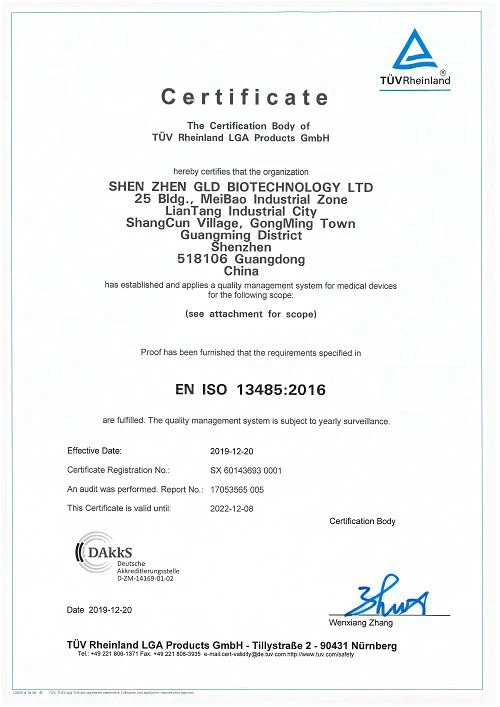
Certifications




Why Choose Us
Q: Can I drive or operate machinery while using a pain relief patch?
Q: Do pain relief patches interact with other medications?
Q: Can I use pain relief patches if I have diabetes?
Q: Can I apply a pain relief patch to my face or genital area?
Q: What should I do with the used patch?
Q: Can I use a pain relief patch if I have kidney or liver problems?
Q: Can I use a pain relief patch if I am pregnant or breastfeeding?
Q: Can I apply heat or cold to the area treated with a pain relief patch?
Q: Why do some pain relief patches have an odor?
Q: Can I use a pain relief patch for migraines?
Q: Is it okay to use a pain relief patch if I have asthma?
Q: Can I become addicted to pain relief patches containing opioids?
Q: How do pain relief patches work?
Q: What types of medications are found in pain relief patches?
Q: Are pain relief patches safe for everyone?
Q: How long do pain relief patches last?
Q: Can I cut a pain relief patch to fit smaller areas?
Q: Can I use pain relief patches on broken or irritated skin?
Q: Can I shower or swim while wearing a pain relief patch?
Q: Are there any side effects associated with pain relief patches?
We're well-known as one of the leading pain relief patch manufacturers and suppliers in China. Please rest assured to wholesale high quality pain relief patch at competitive price from our factory. For custom service, contact us now.
odorless pain patches, healthwise lidocaine patch, porous capsicum plaster