





Plaster Tape
Why Choose Us
Professional team
We have a team of skilled and experienced professionals who are well-versed in the latest technology and industry standards. Our team is dedicated to ensuring that our customers get the best service and support possible.
Customer Service
We are always committed to providing customers with the best quality products and services, and customer satisfaction is our ultimate goal.Our team has over 20 years export experience, we have good patience and enthusiasm to serve every customer.
High quality products
We always put customer needs and expectations in the first place, refine on, continuous improvement, to seek every opportunity to do better, to provide customers with their expectations of quality products, to provide customers with the most satisfactory service at anytime.
Competitive prices
We offer our products at competitive prices, making them affordable for our customers. We believe that high-quality products should not come at a premium, and we strive to make our products accessible to all.
Quality assurance
In terms of quality assurance, the company strictly follows the standards and norms of the industry quality system. Adopt industry-leading testing equipment to ensure product quality and good reputation.
Rich experience
Has a long-standing reputation in the industry, which makes it stand out from its competitors. With over many years of experience, they have developed the skills necessary to meet their clients' needs.
What is Plaster Tape
Plaster tape, also known as plaster strip or adhesive plaster, is a type of medical adhesive tape used to secure dressings, bandages, or other medical devices to the skin. It is typically made of a non-woven material coated with an adhesive that bonds well to the skin.


Advantages of Plaster Tape

Strong and Durable
Plaster tape is known for its strength and durability. It is made from a combination of plaster of Paris and a fabric or gauze material. This combination creates a rigid and sturdy tape that provides excellent support and immobilization for fractures, sprains, or other injuries. Plaster tape is able to withstand the weight and pressure placed on it, ensuring that the affected area remains stable and protected.
Customizable Fit
Plaster tape can be easily molded and shaped to fit the contours of the body. When the tape is wet, it becomes pliable and can be molded to the specific shape and size of the injured area. This allows for a customized and snug fit, ensuring that the tape provides optimal support and immobilization. The ability to mold the tape also helps to distribute pressure evenly, reducing the risk of pressure sores or discomfort.


Excellent Immobilization
Plaster tape is highly effective in immobilizing and stabilizing fractures, sprains, or other injuries. Once the tape hardens, it creates a rigid cast or splint that restricts movement and prevents further injury. The immobilization provided by plaster tape helps to promote proper healing and prevents the injured area from being subjected to unnecessary stress or strain.
Superior Conformity
Plaster tape has excellent conformity to the body, allowing it to provide a close and secure fit. The fabric or gauze material in plaster tape allows it to conform to the shape and contours of the body, ensuring that it wraps around the injured area snugly. This conformity helps to distribute pressure evenly and prevents the tape from slipping or shifting during movement.


Breathable and Skin-Friendly
Plaster tape is designed to be breathable and skin-friendly. The fabric or gauze material in plaster tape allows air to circulate through the tape and the skin, preventing moisture buildup and promoting proper ventilation. This helps to reduce the risk of skin irritation, maceration, or discomfort. Plaster tape is also hypoallergenic, making it suitable for individuals with sensitive or allergy-prone skin.
Easy Application
Plaster tape is relatively easy to apply, especially with the assistance of a healthcare professional. The tape is typically soaked in water to activate the plaster of Paris, making it pliable and ready for application. Once applied, the tape hardens within a few minutes, creating a rigid cast or splint. The ease of application makes plaster tape a convenient option for healthcare professionals and patients alike.

Types of Plaster Tape
01
Standard Cotton Plaster Tape
This is the most commonly used type of plaster tape. It consists of a woven cotton backing impregnated with gypsum (plaster of Paris). The cotton provides flexibility and breathability, while the gypsum provides rigidity and strength once it dries. Standard plaster tape is available in various widths and lengths.
02
Prewetted Plaster Tape
Prewetted plaster tape comes already soaked in water, which speeds up the setting time and simplifies the application process. The prewetting allows the plaster to start hardening as soon as it is applied to the skin, which can be particularly useful in situations where quicker setting times are required.
03
Flexible Plaster Tape
Flexible plaster tape is designed to provide additional flexibility to the cast. It is thinner than standard plaster tape and contains a higher concentration of gypsum, which makes it less likely to crack or break when bent. This type of tape is often used for areas that require more movement, such as around joints.

Extra-strong plaster tape is thicker and more robust than standard tape. It provides greater support and is ideal for heavier or more complex casts. This type of tape is often used in situations where extra strength is needed to hold the cast in place.
Edema control plaster tape is designed to reduce swelling and inflammation around the injured area. It is applied tightly over the cast to compress the affected area, helping to reduce swelling and promote healing. This type of tape is often used in cases of severe sprains or fractures.
Waterproof plaster tape is coated with a waterproof material that prevents water from penetrating the cast. This type of tape is ideal for patients who need to shower or swim while wearing a cast. It provides an effective barrier against water without compromising the strength and support of the cast.
What Is Plaster Tape Made Of


1. Adhesive Layer
The adhesive layer is the component that bonds the plaster tape to the skin. It typically consists of a pressure-sensitive adhesive, which is applied to the non-woven backing material. This adhesive is formulated to provide a strong bond to the skin while being gentle enough to avoid irritation. Common adhesives used in plaster tape include acrylic adhesives and rubber-based adhesives.
2. Backing Material
The backing material is the base layer of the plaster tape, which supports the adhesive and provides structure to the tape. It is typically made from a non-woven material, such as polyester or cotton, which is soft, flexible, and breathable. This material allows the tape to conform to the skin's contours and move with the body, providing comfort and durability.
3. Release Liner
Before the plaster tape is applied to the skin, it is usually covered with a release liner. This thin, protective layer keeps the adhesive from sticking to itself or other surfaces and ensures that the tape can be easily removed from the packaging. The release liner is typically made from a material like silicone-coated paper or film, which allows it to be easily peeled off without leaving any residue.
4. Additional Layers
In some cases, plaster tape may include additional layers for specific purposes. For example, some tapes have a thin absorbent pad attached to the adhesive layer. This pad helps absorb excess moisture and fluids from the wound, keeping it clean and dry. Other tapes may include a protective film or barrier layer to further enhance their protective properties.
How Does Plaster Tape Differ from Other Types of Tape

Composition
Plaster Tape: As previously mentioned, plaster tape typically consists of a cotton or synthetic fabric backing impregnated with plaster of Paris, which sets and hardens upon exposure to water.
Other Types of Tape: Other tapes such as athletic tape, medical adhesive tape, or kinesiology tape are made from various materials like cloth, paper, or synthetic fabrics and do not contain plaster of Paris. They often have adhesives that remain flexible and do not harden.
Setting and Hardening
Plaster Tape: Upon contact with water, plaster of Paris reacts and sets into a hard, rigid form, providing structural support and immobilization.
Other Types of Tape: These typically retain their flexibility and do not harden. Their primary function is to secure dressings or provide light support without restricting motion.
Adhesive Properties
Plaster Tape: The adhesive on plaster tape is designed to be strong and durable once set, but can still be removed carefully.
Other Types of Tape: Adhesives on other tapes vary widely, with some being hypoallergenic and breathable for sensitive skin, while others are designed to stick to clothing or hair.
Use
Plaster Tape: Plaster tape is primarily used for creating casts or splints that immobilize broken bones or stabilize joints.
Other Types of Tape: These are used for a variety of purposes including securing bandages, providing light compression, supporting muscles, preventing blisters, or holding medical devices in place.
Removal
Plaster Tape: Removing plaster tape can be more challenging as it hardens and adheres to the skin. It requires soaking in water to soften before removal, which can sometimes cause discomfort or skin irritation.
Other Types of Tape: Most other types of tape are easier to remove since they remain flexible. They can often be peeled off without the need for soaking.
Water Resistance
Plaster Tape: Traditional plaster tape is not water-resistant once set; it becomes porous and can weaken if exposed to water.
Other Types of Tape: Many other types of tape are waterproof or at least water-resistant, making them suitable for use in wet or sweaty environments.
Sensitivity and Allergies
Plaster Tape: Because of the chemicals involved in the setting process, some individuals may experience skin irritation or allergic reactions to plaster tape.
Other Types of Tape: There are hypoallergenic options available for those with sensitivities, such as tapes made with natural rubber latex-free adhesives.
What Are the Common Uses of Plaster Tape

1. Wound Care and Protection
The most common use of plaster tape is for wound care and protection. It can be applied directly to minor cuts, scrapes, and burns to cover the injured area and prevent contamination or further damage. By creating a protective barrier, plaster tape helps keep wounds clean, dry, and promotes healing.
2. Supporting and Stabilizing Injuries
Plaster tape is also used to support and stabilize injuries, such as sprains, strains, and fractures. It can be wrapped around joints or limbs to provide immobilization and reduce pain and swelling. By immobilizing the injured area, plaster tape helps prevent further damage and promotes healing.
3. Post-Surgical Care
After surgical procedures, plaster tape is often used to secure dressings, sutures, or drains in place. It provides a secure hold and ensures that the surgical site remains protected and sterile.
4. Sports and Physical Activity
Athletes and individuals involved in physical activities often use plaster tape to prevent injuries or provide support to joints and muscles. It can be applied to ankles, wrists, knees, and other joints to provide stability and reduce the risk of sprains or strains.
5. Cosmetic Purposes
Plaster tape is also used for cosmetic purposes, such as tape extensions for eyebrows or lashes. It can be used to temporarily hold extensions in place, providing a natural-looking finish.
6. Household Applications
Beyond medical uses, plaster tape has also found its way into household applications. It can be used to tape up torn clothing, repair minor household items, or even secure cords and cables.
What Are the Dimensions of Standard Plaster Tape

Length
Standard plaster tape typically ranges in length from 1 inch (2.5 cm) to 4 inches (10 cm). These lengths are designed to cover a wide range of wound sizes, from small scrapes to larger cuts. Some manufacturers may also offer longer lengths, such as 6 inches (15 cm) or even longer, depending on the specific application.

Width
The width of standard plaster tape varies less than the length. Common widths include 1 inch (2.5 cm), 1.5 inches (3.8 cm), and 2 inches (5 cm). The width is chosen based on the size and location of the wound. Wider tapes provide more coverage and may be more suitable for larger wounds or those that require additional stability.

Thickness
The thickness of plaster tape is typically quite thin, ranging from a few millimeters to a few tenths of a millimeter. The thickness is determined by the materials used in the construction of the tape, including the adhesive, backing material, and any additional layers. Thinner tapes are generally more flexible and breathable, while thicker tapes may provide more cushioning and support.
How Should Plaster Tape Be Removed from the Skin
Preparation is key when it comes to removing plaster tape. Begin by gathering all necessary supplies, including a bowl of warm water, a spray bottle filled with warm water, scissors, and a soft cloth or towel. It’s also helpful to have a pair of gloves on hand to protect your hands from the adhesive properties of the plaster tape. Once you have everything you need, it’s time to start the removal process. Begin by soaking the plaster tape in warm water for several minutes until it becomes soft and pliable. This will help to break down the adhesive properties of the tape and make it easier to remove from the skin. Be sure to fully submerge the tape in the water, making sure that every inch of it is soaked through.
After allowing the tape to soak, use a pair of scissors to cut through the top layer of the tape. This will help to prevent the tape from sticking to the skin and make it easier to remove in smaller pieces. Be careful not to cut too deeply into the skin, as this can cause injury or discomfort. Once the top layer of tape has been cut, gently begin to peel the tape away from the skin. Start at one corner of the tape and slowly work your way towards the other end. Apply even pressure as you pull the tape back towards the direction it was applied. If the tape is sticking too much or causing pain, stop and allow it to soak longer in the warm water.
As you remove the tape, it’s important to be gentle and patient. Avoid tugging too hard or pulling too quickly, as this can cause discomfort or even tear the skin. Instead, take your time and work slowly and steadily to remove the tape in small sections. After the tape has been removed, use a soft cloth or towel to gently clean the area. Wipe away any remaining adhesive residue and pat the skin dry with a clean towel. If necessary, apply a moisturizing lotion or cream to help soothe the skin and prevent dryness or itching. monitor the area for any signs of skin redness, swelling, or infection. Contact a healthcare provider if these symptoms occur. With careful attention and proper technique, removing plaster tape from the skin can be a safe and relatively painless process.
How Often Should Plaster Tape Be Replaced

Cast tape, also known as duct tape or medical tape, is commonly used to secure bandages, dressings, and other medical devices to the skin. It plays a vital role in wound care by protecting the injured site and promoting healing. However, the frequency of cast tape changes depends on a variety of factors, including the type of wound, skin condition, and the individual's activity level. For most wounds, it is generally recommended to change cast tape every 24 to 48 hours. This is because the adhesive used in the tape loses its stickiness over time, reducing its ability to hold the dressing firmly in place. Additionally, sweat, dirt, and other contaminants can accumulate under the tape, potentially irritating the skin and hindering the healing process.
In some cases, the tape may need to be replaced more frequently. For example, if the tape comes loose or comes off, it should be replaced immediately to avoid exposing the wound to harmful bacteria and other contaminants. Likewise, if the skin around the tape shows signs of irritation, redness, or swelling, the tape may need to be replaced more frequently to minimize discomfort and prevent further skin damage. If the tape is firmly in place and the skin is healthy, the tape may need to be replaced more frequently. Perhaps the replacement interval can be extended to 72 hours or even longer. This is particularly beneficial for patients who find it difficult to change dressings frequently due to physical limitations or other reasons.
These recommendations are general guidelines and may vary based on specific instructions provided by your health care provider. Some wounds may require more frequent monitoring and dressing changes, while others may be more forgiving. Therefore, it is best to follow the advice of a medical professional when replacing cast tape. The frequency of cast tape changes should be based on the condition of the wound, skin, and the individual's activity level. Generally, it is recommended to replace the tape every 24 to 48 hours, but this may need to be adjusted depending on the situation. Close monitoring and regular communication with your healthcare provider are key to ensuring optimal wound care and promoting healing.
Is There a Specific Way to Store Plaster Tape
DTemperature and Humidity Control: Plaster tape should be stored in a well-ventilated, dry, and temperature-controlled environment. Avoid exposure to extreme temperatures, as high humidity or moisture can cause the adhesive to lose its stickiness, while extreme heat can damage the tape material.
Protection from Dust and Contaminants: Store plaster tape in a clean, dust-free container or packaging to prevent dirt, debris, and other contaminants from adhering to the tape. This is especially important for tapes with adhesive surfaces, as contamination can affect their adhesion properties.
Avoid Direct Sunlight: Exposure to direct sunlight can cause the tape to fade or degrade over time. Therefore, it's best to store plaster tape in a location that is shielded from direct sunlight, such as a cabinet or drawer.
Separate Storage for Different Types of Tape: If you have multiple types of plaster tape (e.g., different sizes, materials, or adhesives), it's best to store them separately to prevent confusion and mixing. This ensures that you can easily identify and access the appropriate tape for a specific wound or dressing.
Limited Shelf Life: Plaster tape has a limited shelf life, so it's important to use it within the recommended time frame. Check the expiration date on the packaging and replace the tape regularly to ensure its effectiveness.
Handling Precautions: When handling plaster tape, avoid touching the adhesive surface with dirty or oily hands, as this can affect its adhesion properties. Also, be careful not to stretch or tear the tape, as this may compromise its structural integrity.
Can Plaster Tape Be Reused
Hygiene Issues
During initial use, the adhesive side of the tape can pick up bacteria, dead skin cells, and other contaminants from your skin. Attempting to reapply the tape to another person or even the same person later can introduce these pathogens, potentially leading to skin infections or other complications.
Adhesive Integrity
Once the adhesive is peeled from the paper backing or skin, it will change. This may include loss of adhesion, stretching, tearing or partial separation. These changes mean the tape may no longer adhere effectively, which could compromise the security of medical equipment such as dressings, splints or casts, leading to the risk of shifting or malfunctioning.
Structural damage
The physical act of removing the tape can cause micro-tears in the fabric of the tape itself, weakening its overall structure. These tears can create weak links that cause the tape to break or separate during the second use, potentially leaving areas uncovered or causing discomfort to the patient.
Adhesives may cause skin reactions or allergies, especially after prolonged contact. Reusing tape may exacerbate these reactions, causing discomfort, redness, itching, or even more severe allergic reactions.
For medical applications, material performance consistency is critical. Reusing tapes can cause their performance to change. This inconsistency can be dangerous when precise medical results are required, such as ensuring proper immobilization of a broken limb.
Our Factory





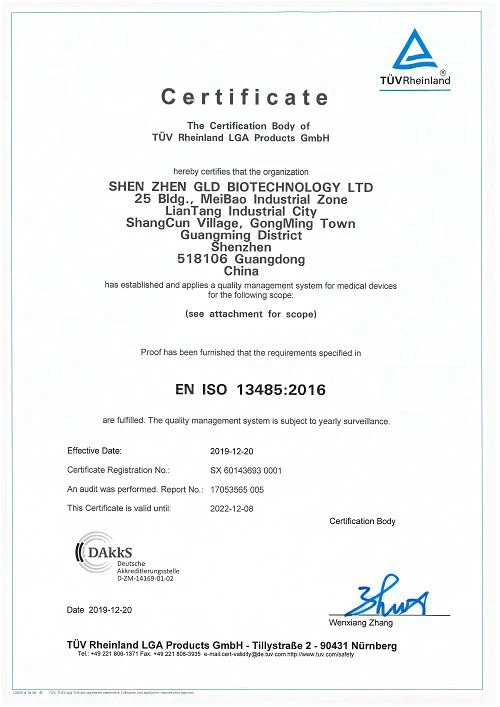
Certifications




FAQ
Q: What are the main uses of plaster tape in the medical field?
Q: How does the Band-Aid stick to the skin?
Q: What materials are commonly used to make plaster tape?
Q: Why does the plaster tape need to be soaked before pasting?
Q: Can plaster tape be reused after it is soaked?
Q: Is plaster tape suitable for all patients?
Q: How long do plaster casts usually remain on the patient?
Q: What are the common complications of plaster casts?
Q: Can patients safely remove cast tape at home?
Q: How should plaster tape be stored to maintain its effectiveness?
Q: Are there any special techniques for applying plaster tape?
Q: Can cast tape be used for non-medical purposes?
Q: What should I do if the plaster gets wet?
Q: How can patients relieve itching under the cast?
Q: Can plaster tape be painted or decorated?
Q: What is the difference between plaster tape and fiberglass tape?
Q: Can plaster tape be used on wet skin?
Q: Is there a weight limit for patients with plaster casts?
Q: How should plaster tape be cut off a patient?
Q: Can plaster tape be trimmed to fit smaller areas?
We're well-known as one of the leading plaster tape manufacturers and suppliers in China. Please rest assured to wholesale high quality plaster tape at competitive price from our factory. For custom service, contact us now.
Plaster Tape, Zinc Oxide Plaster Tape