



Introduction
Butterfly bandages, sometimes referred to as wound closure strips or steri-strips, are a type of adhesive bandage used to close small to medium-sized wounds. They are an important tool in first aid kits and medical settings. In this article, we will explore the uses and benefits of butterfly bandages.
What are butterfly bandages?
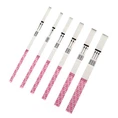
Butterfly bandages are small strips of adhesive tape that are used to close wounds without the need for sutures or stitches. They are typically made from paper or plastic and have a strip of adhesive on either side. The adhesive is strong, yet gentle on the skin, and is designed to hold the wound edges together to promote healing.
Butterfly bandages come in a range of sizes, from small, narrow strips to larger ones that are designed to cover broader areas of skin. They are also available in different colors, although the color is mostly cosmetic and has no significant impact on their performance.
When should you use butterfly bandages?
Butterfly bandages are ideal for closing wounds that are small to medium in size, typically around 1-2 cm in length. They are especially useful in areas of the body where other methods of wound closure, such as sutures or staples, may be challenging to use.
Butterfly bandages are effective in closing wounds that are not too deep or wide. They are especially useful for lacerations, cuts, or abrasions that are clean, and not associated with significant bleeding.
Butterfly bandages are not recommended for use on dirty or contaminated wounds, wounds that are larger than 2 cm, or wounds in areas of the body that experience a lot of movement, such as the joints.
How do you use butterfly bandages?
Using butterfly bandages is relatively straightforward. The following steps can guide you through the process:
1. Clean the wound: Before applying the butterfly bandage, clean the wound with soap and water or an antiseptic.
2. Dry the wound: Dry the wound thoroughly using a clean, dry cloth or tissue.
3. Apply the butterfly bandage: Peel one side of the butterfly bandage and apply it to one side of the wound. Then, using slight tension, pull the skin together and apply the other side of the bandage to the other side of the wound.
4. Ensure the wound is closed: Check to see that the wound edges are well approximated. If not, you may need to add additional butterfly bandages to close the wound adequately.
5. Cover the wound: If necessary, cover the wound with a sterile gauze or bandage.
6. Monitor the wound: Check the wound regularly for signs of infection, such as redness, swelling, or pus.
Benefits of butterfly bandages
Butterfly bandages offer several advantages over other forms of wound closure, including:
1. Easy to use: Butterfly bandages are easy to apply and require no special training.
2. Low cost: Butterfly bandages are affordable and readily available in drugstores and medical supply stores.
3. Minimal scarring: Butterfly bandages promote wound healing without leaving significant scars.
4. Less painful: Butterfly bandages are less painful than sutures and staples and can be removed easily.
5. Fast healing: Butterfly bandages promote faster wound healing by holding the wound edges together, allowing the body to heal more quickly.
Conclusion
Butterfly bandages are a valuable tool for closing small to medium-sized wounds. They are easy to use and promote fast wound healing, with minimal scarring. However, they are not suitable for all wounds and may not be appropriate for wounds in areas of the body that are subject to a lot of movement or for contaminated wounds. Always consult with a medical professional if you are unsure about the suitability of butterfly bandages for your wound.