



Do Wound Closure Strips Work?
Wound closure strips, also known as adhesive strips or butterfly closures, are commonly used in medical settings and at home to close small cuts and wounds. These strips are made of adhesive material and are designed to hold the edges of a wound together, promoting healing and reducing the risk of infection. In this article, we will examine the effectiveness of wound closure strips and explore their usage, benefits, and potential limitations.
What are Wound Closure Strips?
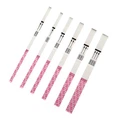
Wound closure strips are thin adhesive strips that are used to hold together the edges of a wound. They are typically made of non-woven material and have adhesive on both sides. These strips are placed across the wound, pulling the edges closer to each other. The adhesive provides secure closure and keeps the wound protected from external contaminants.
How Do Wound Closure Strips Work?
When a wound occurs, the edges of the skin separate, making it difficult for new skin cells to bridge the gap. Wound closure strips work by bringing the edges of the wound together, reducing tension and allowing the natural healing process to occur. The adhesive on the strips creates a bond between the skin and holds it in place, effectively closing the wound.
Benefits of Wound Closure Strips**
1. **Ease of Use: Wound closure strips are easy to apply and do not require medical expertise. They come in various sizes and shapes, which can accommodate different types and sizes of wounds.
2. Cost-effective: Compared to stitches or staples, wound closure strips are more affordable. They can be purchased over the counter and applied at home, saving both time and money.
3. Less scarring: Wound closure strips promote wound healing without leaving visible scars. As they do not penetrate the skin like stitches or staples do, there is a lower risk of scarring and tissue damage.
4. Flexibility: These strips allow for movement and flexibility, providing comfort during the healing process. They adapt to the skin''s contours and are less likely to cause discomfort or restrict movement.
5. Reduced risk of infection: Wound closure strips effectively close the wound, reducing the risk of infection by keeping it protected from harmful bacteria and debris.
Types of Wound Closure Strips
There are different types of wound closure strips available, and the choice of strip depends on the specific wound characteristics and requirements. The common types include:
1. Sterile adhesive strips: These are standard adhesive strips that are sterile and ready to use. They are often used for minor cuts, grazes, or surgical incisions that do not require extensive wound closure.
2. Reinforced adhesive strips: These strips are made with additional strength and durability. They provide extra support and are suitable for wounds under tension or places subjected to repetitive movements.
3. Antimicrobial adhesive strips: Some wound closure strips are infused with antimicrobial agents like iodine or silver. These strips not only close the wound but also help prevent bacterial growth, minimizing the risk of infection.
4. Hypoallergenic adhesive strips: For individuals with sensitive or allergic skin, hypoallergenic wound closure strips are available. These strips are less likely to cause skin irritation or adverse reactions.
Proper Application Techniques
To ensure effective wound closure and optimal healing, it is important to follow the proper application techniques for wound closure strips. Here are some general steps to follow:
1. Clean the wound: Thoroughly clean the wound using mild soap and water to remove any dirt or debris. Pat it dry gently with a clean cloth.
2. Apply an antiseptic: If recommended by healthcare professionals, apply an antiseptic solution to the wound to further reduce the risk of infection.
3. Size selection: Choose an appropriate size of wound closure strip that can adequately hold the wound edges together without excessive tension or overlap.
4. Placement: Carefully position the strip across the wound, aligning it with the edges. Start from one end of the wound and progress to the other, applying light pressure to ensure secure adhesion.
5. Additional strips: If necessary, apply additional strips parallel to the first strip, with slight overlapping, to provide extra support and stability.
6. Monitoring and Changing: Regularly monitor the wound for any signs of infection or reopening. Change the wound closure strips as directed by healthcare professionals or if they become loose or soiled.
Limitations and Considerations
While wound closure strips are effective for certain types of wounds, they may not be suitable for all situations. Here are some limitations and considerations to keep in mind:
1. Wound size and location: Wound closure strips are most suitable for small cuts, lacerations, or surgical incisions with straight edges. Larger or irregular wounds may require additional support methods such as stitches or staples.
2. Wound depth: Wound closure strips are not designed to close deep wounds that extend beyond the skin''s surface. In such cases, seeking medical attention is crucial to ensure proper wound closure and healing.
3. Allergies: Some individuals may be allergic to the adhesive in wound closure strips, causing skin irritation or allergic reactions. It is essential to check for any potential allergies or sensitivities before applying the strips.
4. Infection risk: While wound closure strips help reduce the risk of infection, they are not a standalone solution. Proper wound cleaning, disinfection, and monitoring are still necessary to prevent and manage infections.
5. Delayed healing: In some cases, wounds closed with strips may take longer to heal compared to other closure methods. This can be due to factors such as tension, wound depth, or individual healing responses.
Consulting a Healthcare Professional
If you are uncertain about using wound closure strips or if the wound appears deep, infected, or requires specialized care, it is important to consult a healthcare professional. They can evaluate the wound and provide appropriate guidance on wound closure methods, ensuring proper healing and minimizing complications.
Conclusion
Wound closure strips are effective tools for closing small cuts, lacerations, or surgical incisions. They provide numerous benefits, including ease of use, affordability, reduced scarring, flexibility, and reduced infection risk. However, it is important to consider the limitations and use them appropriately based on wound characteristics. If in doubt, consult a healthcare professional for proper assessment and guidance. When used correctly, wound closure strips can significantly contribute to the healing process and promote optimal wound recovery.